





Creative
Advancing modular system architectures across platforms
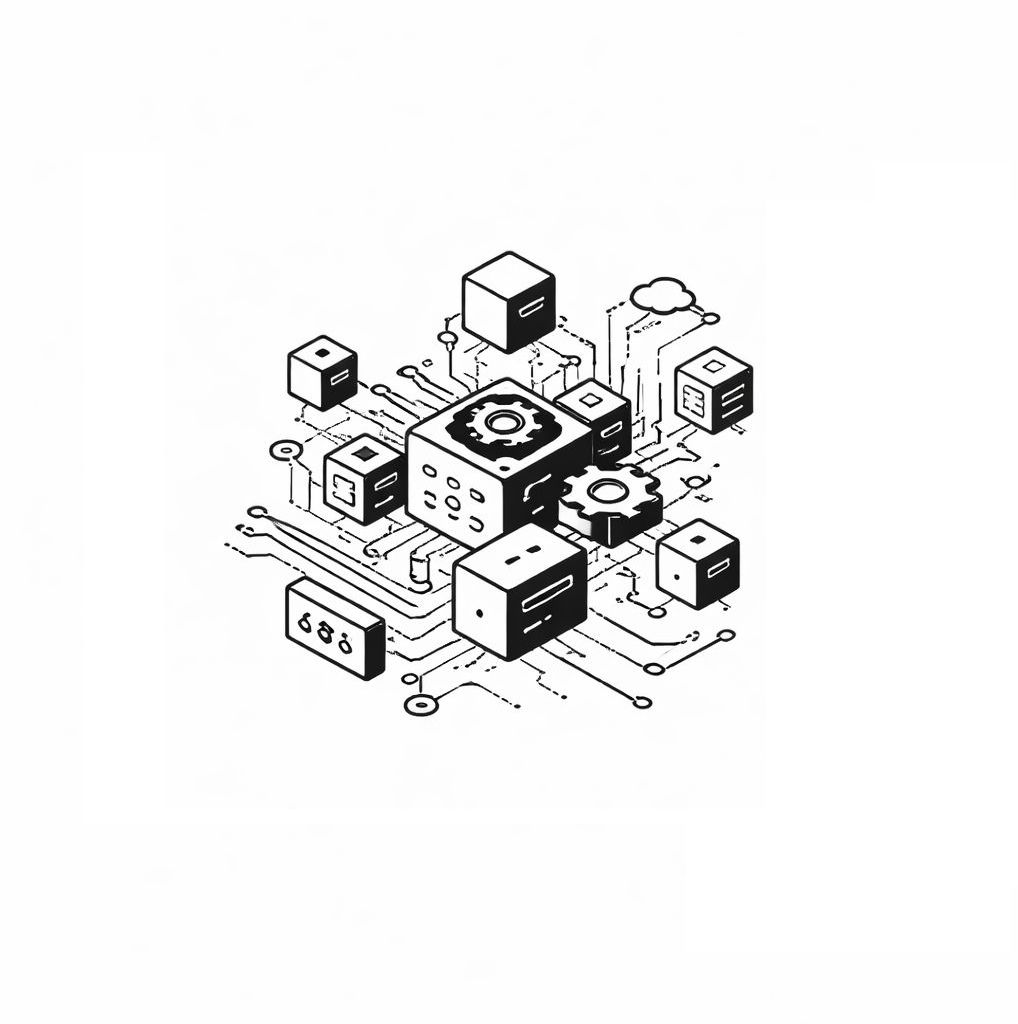
Advancing modular system architectures across platforms
In recent years, modular system architectures have become a central focus in the development of scalable and platform-independent technologies. This approach continues to shape how complex digital systems are designed, deployed, and evolved across multiple environments.
Modular architectures are built around the principle of separating systems into independent components with clearly defined responsibilities. Each module operates autonomously while interacting with other components through stable interfaces. This structure allows systems to evolve incrementally without requiring full architectural redesigns.
Cross-platform alignment
As digital ecosystems expand across web, mobile, cloud, and distributed environments, modularity enables consistent behavior across platforms while maintaining flexibility at the implementation level. Shared system components can be reused across multiple platforms, reducing redundancy and improving long-term maintainability.
Platform-specific layers remain isolated, allowing systems to adapt to different environments without affecting core functionality.
Scalability and system growth
Modular architectures support scalable growth by enabling systems to expand through composition rather than structural expansion. New modules can be added or existing components extended without disrupting system stability.
This approach allows organizations to respond to increased complexity, higher workloads, or new requirements while maintaining architectural consistency.
Reliability and operational stability
Another key advantage of modular system architectures is improved fault isolation. Independent modules reduce the risk of system-wide failures, as issues are contained within specific components.
This improves reliability and simplifies maintenance, enabling targeted updates and controlled changes without widespread impact.
Long-term adaptability
Modularity also supports long-term technological adaptability. Individual components can be updated, replaced, or reimplemented as technologies evolve, without forcing a complete system overhaul.
This ensures architectural longevity and reduces dependency on specific frameworks or platforms.
Outlook
The continued advancement of modular system architectures reflects an industry-wide shift toward flexible, resilient, and scalable system design. As platforms diversify and system requirements grow, modularity remains a foundational strategy for sustainable technology development.





Related news