




Creative
Developing distributed technology frameworks
Developing distributed technology frameworks
The development of distributed technology frameworks continues to shape how modern digital systems are built and operated. As platforms scale across regions, environments, and workloads, distributed architectures provide the structural foundation needed to maintain performance and reliability.
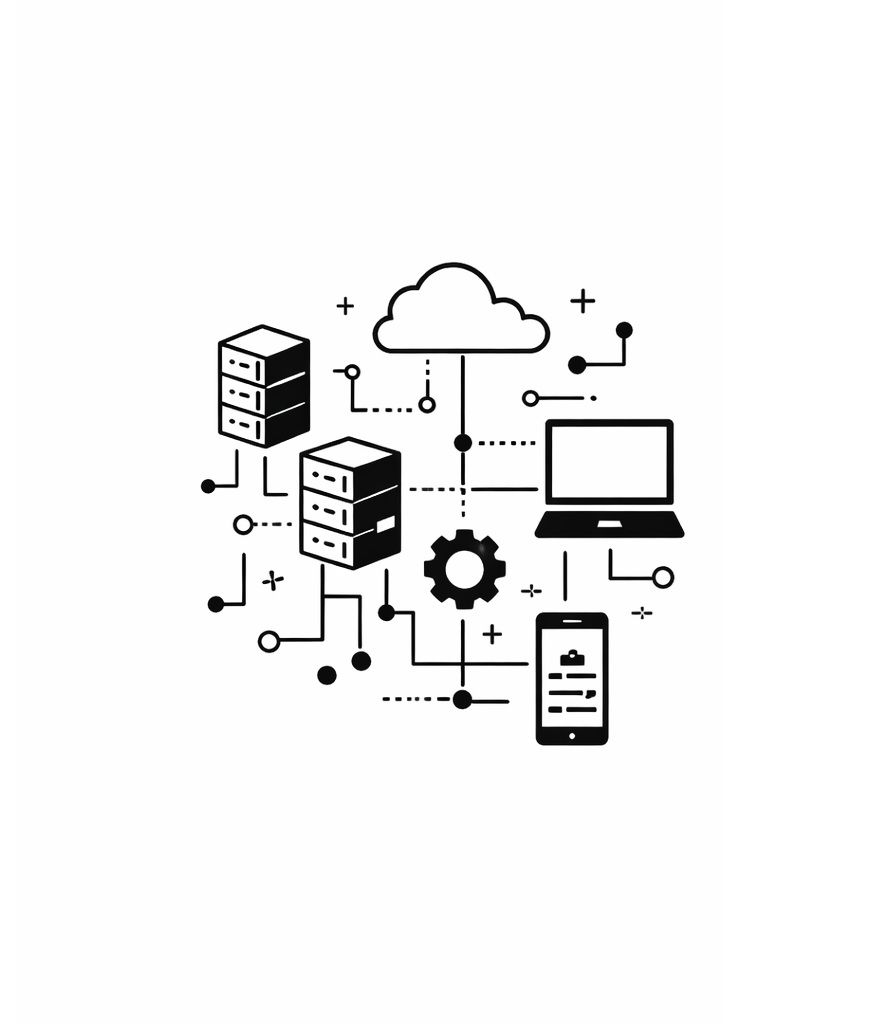
Distributed frameworks enable systems to function as coordinated networks of independent components rather than centralized units. This approach improves flexibility while supporting large-scale operations.
Decentralized system structure
At the core of distributed technology frameworks is decentralization. System responsibilities are distributed across multiple components, allowing each part to operate independently while remaining synchronized through defined communication protocols.
This structure reduces single points of failure and increases overall system resilience.
Scalability through distribution
Distributed frameworks support horizontal scalability by design. New nodes or services can be added without disrupting existing system operations, enabling platforms to scale dynamically in response to demand.
This model allows growth to occur incrementally, preserving architectural stability over time.
Fault tolerance and reliability
One of the primary benefits of distributed systems is improved fault tolerance. When components are isolated, failures can be contained without affecting the entire system.
Distributed frameworks incorporate redundancy and recovery mechanisms that maintain service continuity even under partial system failures.
Coordination and consistency
Effective coordination is essential in distributed environments. Frameworks rely on standardized communication, synchronization mechanisms, and data consistency models to ensure reliable interaction between components.
These mechanisms enable distributed systems to operate cohesively despite physical or logical separation.
Long-term adaptability
Distributed technology frameworks are designed to evolve. Components can be updated, replaced, or reconfigured independently, supporting long-term system adaptability while minimizing operational disruption.
This adaptability ensures that platforms remain relevant as technologies and requirements change.
Outlook
The continued development of distributed technology frameworks reflects a broader industry shift toward scalable, resilient system design. As digital ecosystems grow more complex, distributed approaches provide a sustainable path for building robust and adaptable platforms.